Home / Therapies

Complete care, all in one place.

Assessment, therapy and parent support under one clear plan — with one-on-one care tailored exactly to your child’s pace.

Our menu of care

Our services & specialties

Complete support for your child and family. Not sure where to start? Let’s figure it out together in a free chat.

Services provided

  • Developmental & Psychoeducational Assessment
  • Early Intervention Services (EIS)
  • Special Education & Remedial Therapy
  • Individualised Education Program (IEP) Planning
  • Occupational Therapy (OT)
  • Speech & Language Therapy
  • Physiotherapy
  • Behavioural Therapy (ABA / CBT)
  • Art & Play Therapy
  • Psychological CounsellingChild & adolescent · adult & individual · family & couple · group therapy
  • Tele-Counselling & Online Support
  • Graphology (Handwriting Analysis)
  • Hypnotherapy

We specialise in

  • Autism Spectrum Disorder (ASD)
  • ADHD & Hyperactivity
  • Learning DisabilitiesDyslexia, dyscalculia, dysgraphia and more
  • Intellectual & Developmental Disabilities
  • Global Developmental Delay (GDD)
  • Cerebral Palsy & Motor Delays
  • Down Syndrome & Genetic Conditions
  • Sensory Processing Issues
  • Speech, Language & Communication Disorders
  • Behavioural & Emotional Regulation Challenges
  • Anxiety, Stress & Adolescent Mental Health
i.

CWN Rehabilitation
Ages
2 — 16 years
Session
45 min · 1:1, in-clinic or online
Cadence
2 — 4× per week, tapered as goals are met
Review
Written progress report every 12 weeks
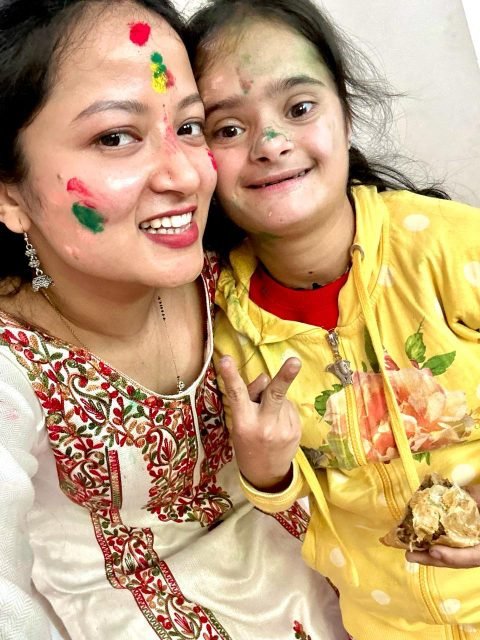
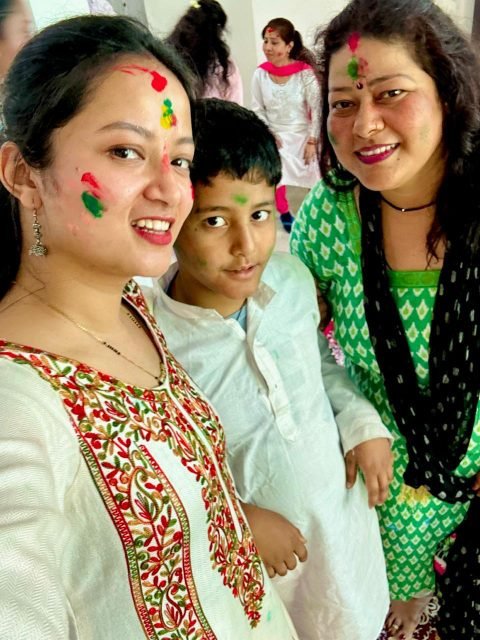
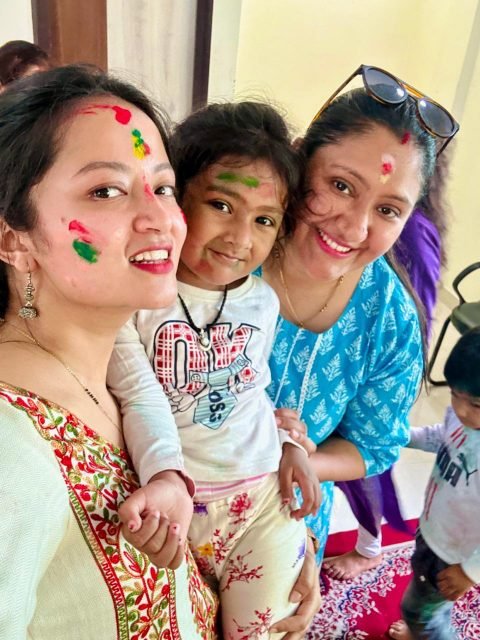
Sonali with children at the clinic

We combine support for language, behaviour and learning into one unified plan.

What it includes

  • Initial developmental screening + family interview
  • Individualised long-term rehabilitation plan
  • Direct therapy sessions (behavioural & educational)
  • Home programmes for caregivers
  • Coordination with school, paediatrician, OT, SLP
  • Quarterly written progress reports

Best fit if your child

  • Has a diagnosis of ASD, ID, or developmental delay
  • Is waiting on a diagnosis but already needs support
  • Sees multiple specialists and care feels fragmented
  • Has stalled with single-modality therapy elsewhere
  • Needs school-inclusion support

What the first 4 weeks look like

Week 1
Screening, intake interview, home video review.
Week 2
Formal assessment + sensory observation.
Week 3
Written care plan + goal-setting with family.
Week 4
First direct sessions begin.
ii.

Behavioural Therapy

Ages
All ages, 18 months +
Session
45 min · 1:1, often with caregiver
Cadence
1 — 3× per week initially
Frameworks
ABA, naturalistic teaching, PCIT principles
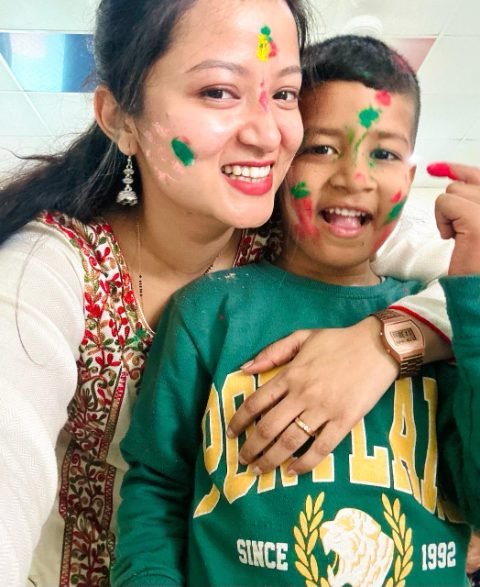
A child laughing during a session with Sonali

We look at the needs behind your child’s behaviour and help them learn calmer ways to ask for what they want.

What we work on

  • Meltdowns, aggression, self-injurious behaviour
  • Attention, impulsivity, transitions
  • Daily routines — meals, sleep, screen-time, homework
  • Toilet training and self-help skills
  • Communication and requesting skills
  • Social skills for school and peers

How sessions feel

  • Play-based first; structured teaching second
  • Reinforcers chosen by the child, not the therapist
  • Caregiver coached in real-time, not just briefed after
  • Data quietly tracked, not paraded
  • Always relationship-first — never shame, never punishment

How a session unfolds

0 — 10 min
Settle, choice-board, warm-up activity.
10 — 30 min
Goal-targeted teaching woven into play.
30 — 40 min
Cooperative game; data quietly recorded.
40 — 45 min
Caregiver debrief + home practice.
iii.

Special Education & IEP

Ages
School-aged, 5 — 16
Session
60 min · 1:1, in-clinic preferred
Cadence
2 — 3× per week during the school year
Methods
Multisensory (Orton-Gillingham informed), Davis tools
Sonali with an older student during a learning session

Every child’s brain is unique. We find the exact teaching style that makes reading and learning click for them.

Skills we build

  • Phonological awareness, decoding, reading fluency
  • Reading comprehension and vocabulary
  • Spelling, handwriting and written expression
  • Number sense, place value, math fact fluency
  • Word problems and applied mathematics
  • Study skills, organisation, working memory

School coordination

  • Written IEP shared with class teacher each term
  • Strategy memos for in-class accommodations
  • Term-end progress reports for school records
  • Optional in-school observation visits
  • Support for board-exam accommodations (CBSE / ICSE)

A typical 60-minute lesson

Warm-up
5 min · phonological drill or number routine.
New skill
20 min · multisensory introduction.
Practice
25 min · guided then independent.
Wrap-up
10 min · game, review, home task.
iv.

Psychoeducational Assessment

Ages
3 — 14 years
Format
2 — 3 sessions × 90 min each
Includes
Parent interview, child sessions, written report
Turnaround
Report within 10 working days
Sonali in a quiet moment with a young client

An assessment is just a map to help us understand your child and plan the best next steps.

Tools we use, when they help

  • VSMS — Vineland Social Maturity Scale
  • CARS — Childhood Autism Rating Scale
  • DST — Developmental Screening Test
  • MISIC — Indian Children’s Intelligence Scale
  • DTLD — Diagnostic Test for Learning Disability
  • CPM — Coloured Progressive Matrices
  • SFB — Seguin Form Board
  • CBCL — Child Behaviour Checklist

The assessment journey

  • Session 1 — Parent interview (90 min): history & concerns
  • Session 2 — Child sessions (90 min × 1 — 2): cognition & learning
  • Behind the scenes — Scoring, interpretation, report drafting
  • Feedback — 60-min written report walkthrough + plan
v.

Child & Adolescent Counselling

Ages
5 — 18 years
Session
45 min · 1:1, in-clinic or online
Cadence
Weekly, then fortnightly as ready
Approaches
CBT-informed, play therapy, narrative, art-based
Sonali in a gentle one-to-one moment with a child

We build a safe, trusting connection so kids and teens feel comfortable opening up.

What we help with

  • Anxiety, school refusal, separation difficulties
  • Big emotions, anger, low mood, withdrawal
  • Bullying, friendship struggles, social anxiety
  • Adjustment to divorce, loss, illness, relocation
  • Self-esteem, body image, identity (teens)
  • Sibling rivalry & family transitions

How it differs by age

  • 5 — 8: sand-tray, dolls, drawing — meaning emerges in play
  • 9 — 12: mix of activity, narrative writing, structured talk
  • 13 — 18: mostly talk, CBT-informed, confidential by default
  • Caregivers briefed once a month — never on session content
  • Safety concerns escalated with the teen’s knowledge

How a counselling arc usually unfolds

Sessions 1 — 3
Building trust. No agenda. They lead.
Sessions 4 — 8
Naming what’s hard. Tools begin.
Sessions 9 — 16
Practising in real life with support.
Maintenance
Fortnightly, then check-ins as needed.
vi.

Mind Sciences for Parents

For
Parents, primary caregivers, adult family
Session
60 — 90 min · 1:1
Cadence
Fortnightly or as needed
Confidential
Held separately from your child’s care
Sonali with a parent and child at the clinic

Even the strongest parents need a safe place to lean. Three quieter modalities, for you.

Graphology

  • Handwriting analysis to surface subconscious patterns — stress responses, decision-making style and emotional baselines that talk therapy alone may miss. 1 — 2 sessions · 60 min each.

Hypnotherapy

  • Gentle, evidence-aware hypnotherapy for chronic stress, sleep disruption, anxiety and habit patterns. Always client-led, with full awareness — no theatrics. 4 — 8 sessions · 75 min each.

Past-Life Regression

  • A depth-oriented modality for emotional patterns and unresolved grief that talk therapy hasn’t reached. Offered with respect for personal belief — never required. 1 — 3 sessions · 90 min each.

Parent Coaching

  • Practical, weekly coaching for the parent of a neurodivergent child — managing your own nervous system, communication with school, marital strain, sibling balance. Ongoing · 45 min sessions.
At a glance

A quick way to compare

Not sure where to start? Most families begin with an assessment and one therapy — we’ll map it out on a quick call.

TherapyAgesTypical cadenceSessionBest starting point if…
CWN Rehabilitation2 — 162 — 4× / week45 minMultiple needs, care feels fragmented elsewhere.
Behavioural Therapy18 m +1 — 3× / week45 minMeltdowns, attention, routines, communication.
Special Education & IEP5 — 162 — 3× / week60 minReading, writing, math, or processing-speed gaps.
Psychoeducational Assessment3 — 14One-time, 2 — 3 sessions90 minYou want to understand the full picture first.
Counselling5 — 18Weekly → fortnightly45 minAnxiety, school refusal, big emotions, adjustment.
Mind Sciences (Parents)AdultsFortnightly60 — 90 minYou’re carrying a lot and would like support too.
Bloom
How it works

From first call to first session

Book now
01

A free call

30 minutes by phone or in-person. No commitment, no jargon. We listen first.

02

Assessment

Two play-based sessions and a parent interview — to actually understand your child.

03

A written plan

Goals you can read. Cadence you can fit. Home strategies you can actually do.

04

Therapy & reviews

Weekly sessions, monthly parent debriefs, quarterly written reports.

The right next step usually starts with a conversation.

Book a free 30-minute consultation with Sonali. No referral, no commitment — just a quiet conversation about your child, and the right place to begin.

Mon – Sat · 9:00 AM – 7:00 PM · No referral needed
WhatsApp